How to Find the Right Vocal Coach for You
Choosing the right vocal coach can make or break your singing journey. Learn exactly what to look for, what red flags to avoid, and how to find a coach who truly fits your voice and goals.
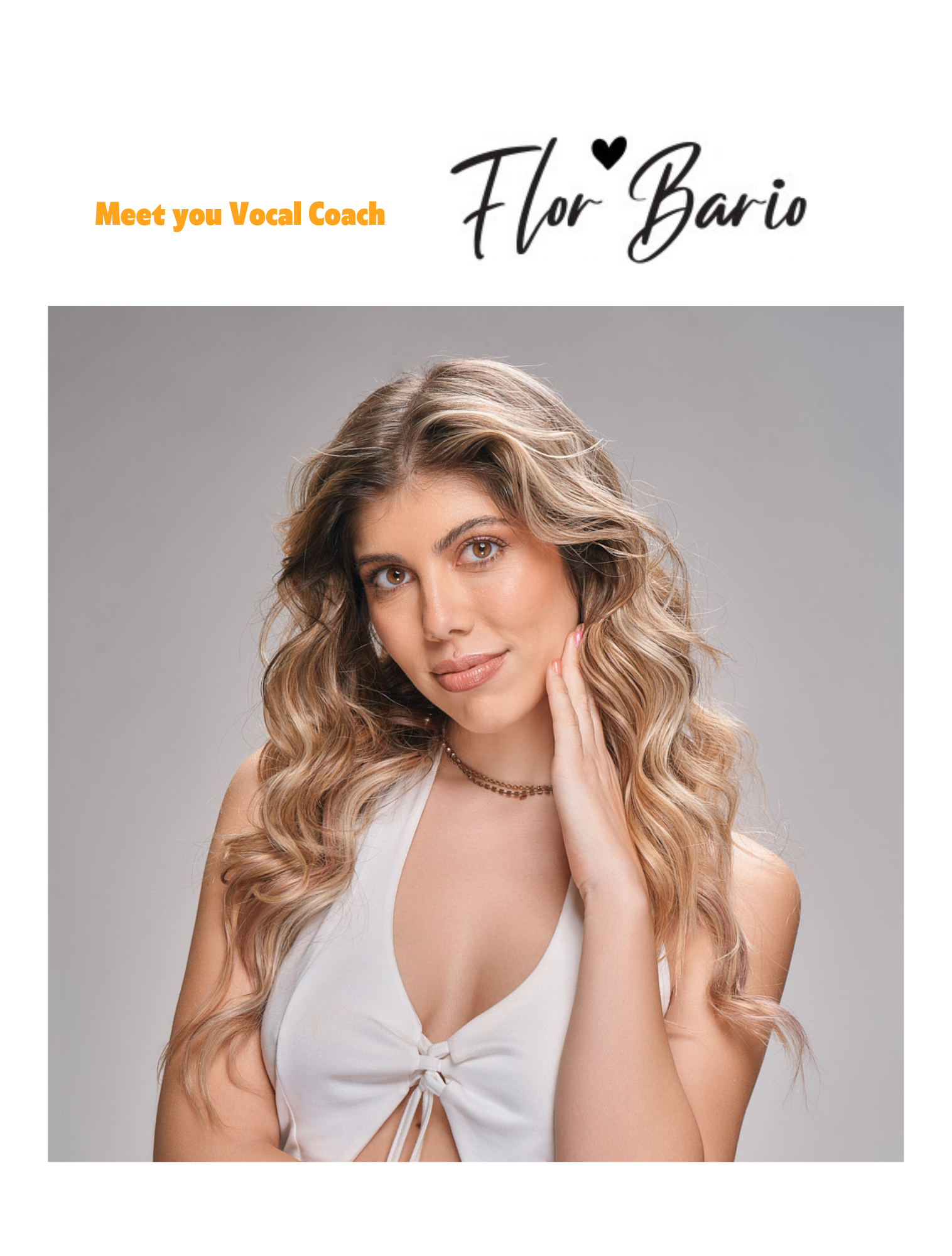
Choosing the right vocal coach is one of the most important decisions you will make as a singer. The right coach accelerates your progress, protects your voice, and helps you reach goals you never thought possible. The wrong one can reinforce bad habits, cause vocal strain, or simply waste your time and money.
Whether you are a complete beginner, a self-taught singer looking to level up, or a professional preparing for auditions, this guide will walk you through everything you need to know to find a vocal coach who is the perfect fit for you.
Signs You Need a Vocal Coach
Before we dive into what to look for, let's talk about when it is time to invest in professional vocal coaching:
- You have hit a plateau: You have been practicing on your own, but your progress has stalled. You feel stuck at the same range, the same tone, the same level.
- You have developed bad habits: Self-taught singers often pick up habits that feel natural but actually limit their voice. Tension in the jaw, shallow breathing, straining for high notes—these are all signs you need expert guidance.
- You are preparing for something big: An audition, a recording session, a live performance, or a career in music. A coach helps you prepare with targeted exercises and performance strategies.
- You experience vocal strain or fatigue: If your voice feels tired, hoarse, or strained after singing, that is a clear signal that your technique needs correction before you cause real damage.
- You want to expand your range or style: Transitioning between genres, adding belting to your toolkit, or developing your mix voice all benefit enormously from professional guidance.
What to Look for in a Vocal Coach
1. Certifications and Training
Not all vocal coaches are created equal. Look for coaches who have formal training and recognized certifications. Some of the most respected credentials include:
- IVA (Institute for Vocal Advancement): An internationally recognized certification program that trains coaches in a science-based, technique-driven approach to singing. IVA-certified coaches understand vocal anatomy and can work with any genre.
- Berklee College of Music: Graduates from programs like Berklee bring a deep understanding of music theory, performance, and contemporary vocal technique.
- Classical conservatory training: Coaches with conservatory backgrounds excel in classical technique, opera, and art song.
- Speech-Language Pathology credentials: Coaches who also have SLP training are especially valuable if you are recovering from vocal injury.
Certifications matter because they demonstrate that a coach has studied vocal pedagogy systematically—not just learned to sing well themselves. A great singer is not necessarily a great teacher.
2. Teaching Experience and Specialization
Ask potential coaches about their teaching experience:
- How many years have they been teaching?
- What genres do they specialize in (pop, rock, opera, musical theatre, jazz, R&B)?
- What level of students do they typically work with?
- Do they have experience with your specific goals?
A coach who specializes in opera may not be the best fit if you want to learn contemporary pop belting. Similarly, a pop vocal coach may not have the training to prepare you for a classical audition. Make sure their expertise aligns with your goals.
3. Teaching Style and Personality Fit
Your relationship with your vocal coach is deeply personal. You will be vulnerable in lessons—making strange sounds, hitting wrong notes, and pushing your limits. You need a coach who:
- Makes you feel safe and encouraged, not judged
- Explains concepts clearly in a way you understand
- Balances constructive feedback with positive reinforcement
- Adapts their teaching approach to your learning style
- Challenges you without pushing you to the point of strain
Some students thrive with a strict, disciplined approach. Others need patience and gentle encouragement. There is no wrong answer—what matters is that the style works for you.
4. Online vs. In-Person Options
The rise of online vocal coaching has transformed the industry. When evaluating coaches, consider whether they offer:
- In-person lessons: Great for hands-on adjustments (posture, breathing), and some students prefer the energy of being in the same room.
- Online lessons: Offer flexibility, access to coaches worldwide, no commute time, and the comfort of your own space.
- Hybrid options: Some coaches offer both, which gives you the best of both worlds.
Online coaching has come a long way. With a good internet connection and a decent microphone, online lessons can be just as effective as in-person sessions—and they open up access to top coaches regardless of your location.
5. Trial Lessons and Communication
A reputable vocal coach should offer a trial lesson or consultation. This is your chance to:
- Experience their teaching style firsthand
- Discuss your goals and see how they respond
- Evaluate the connection and chemistry
- Ask questions about their approach and methodology
Pay attention to how the coach communicates. Do they listen to your concerns? Do they ask about your goals, your experience, and any vocal issues? A great coach is an active listener first and an instructor second.
6. Student Testimonials and Results
Real results speak louder than any credential. Look for:
- Written or video testimonials from current and former students
- Before-and-after recordings showing student progress
- Students who have gone on to successful careers or achieved their goals
- Active social media presence where students share their experiences
Do not be afraid to ask for references. A confident coach will happily connect you with students who can share their experience.
7. Pricing and Package Structure
Vocal coaching is an investment. When evaluating pricing, consider:
- Single lesson rates vs. package discounts
- Lesson length (30, 45, or 60 minutes)
- What is included (warmup exercises, practice materials, recordings of lessons)
- Cancellation and rescheduling policies
- Whether they offer different tiers for different budgets
The cheapest option is rarely the best value. A skilled coach who charges a fair rate and delivers real results will save you time and money in the long run compared to a cheap option that leads nowhere.
Red Flags to Watch Out For
Not every vocal coach deserves your trust. Here are warning signs that should make you think twice:
- No credentials or training: If a coach cannot tell you where they studied or what certifications they hold, proceed with caution. Being a good singer does not automatically make someone a good teacher.
- One-size-fits-all approach: Every voice is unique. A coach who uses the exact same exercises and approach for every student is not paying attention to your individual needs.
- Pushing too hard, too fast: If a coach has you belting high notes in the first lesson without warming up, or pushes you past the point of discomfort, they could damage your voice.
- No warmups or cool-downs: Any qualified coach knows that proper warmups are non-negotiable. Skipping them is a serious red flag.
- Negative or discouraging attitude: A coach who tears you down rather than builds you up is not worth your time or money. Constructive criticism is essential; cruelty is not.
- No clear lesson plan or progression: If every lesson feels random with no clear direction or goals, you are not getting structured training.
- Unwillingness to explain their methods: A great coach can explain why they use certain exercises and how they benefit your voice. If they cannot or will not, that is a concern.
Online vs. In-Person Vocal Coaching
This is one of the biggest decisions you will face. Here is an honest breakdown:
Advantages of In-Person Coaching
- Direct physical adjustments for posture and breathing
- Better audio quality—the coach hears your natural voice
- Easier to work with accompaniment (piano in the studio)
- More personal connection for some learners
Advantages of Online Coaching
- Access to the best coaches in the world, regardless of where you live
- Flexible scheduling across time zones
- No commute time—more time for actual practice
- Comfort of singing in your own space
- Often more affordable than in-person options
- Lessons can be recorded for review
Why Online Vocal Coaching Works
Many singers wonder if online coaching can really deliver results. The answer is a definitive yes. Modern technology has made it possible to hear and diagnose vocal issues through a screen with remarkable accuracy. Experienced online coaches have developed techniques specifically adapted for the virtual format.
Online coaching also removes geographic barriers. Instead of settling for the best coach in your neighborhood, you can work with a world-class, certified instructor who specializes in exactly what you need—no matter where they are based.
Questions to Ask a Potential Vocal Coach
Before you book your first lesson, ask these questions:
- What certifications or formal training do you have in vocal pedagogy?
- How many years have you been teaching, and what genres do you specialize in?
- What does a typical lesson look like with you?
- How do you tailor your approach to each student's needs?
- Do you offer a trial lesson or initial consultation?
- What results have your students achieved?
- How do you handle students with vocal strain or bad habits?
- What is your pricing structure, and do you offer packages?
- Do you provide practice materials or exercises between lessons?
- What technology do you use for online lessons, and what do I need on my end?
A professional coach will welcome these questions. How they respond tells you a lot about their experience, their confidence, and their commitment to your progress.
Find a Coach Who Invests in Your Voice
The right vocal coach does more than teach you exercises. They become a trusted partner in your musical journey—someone who understands your voice, respects your goals, and gives you the tools to grow consistently and safely.
As an IVA-certified vocal coach with years of experience teaching students online and in person, I know firsthand how transformative the right coaching relationship can be. My approach combines science-based vocal technique with personalized attention, whether you are a beginner finding your voice or a professional fine-tuning your craft.
"The best vocal coach is not just a great singer—they are a great listener, a patient guide, and someone who believes in your potential before you do." - Flor Bario