10 Best Breathing Techniques for Singers
Master the art of breath control with these proven breathing techniques used by professional singers. Whether you're performing on stage or practicing at home, these exercises will transform your vocal performance.
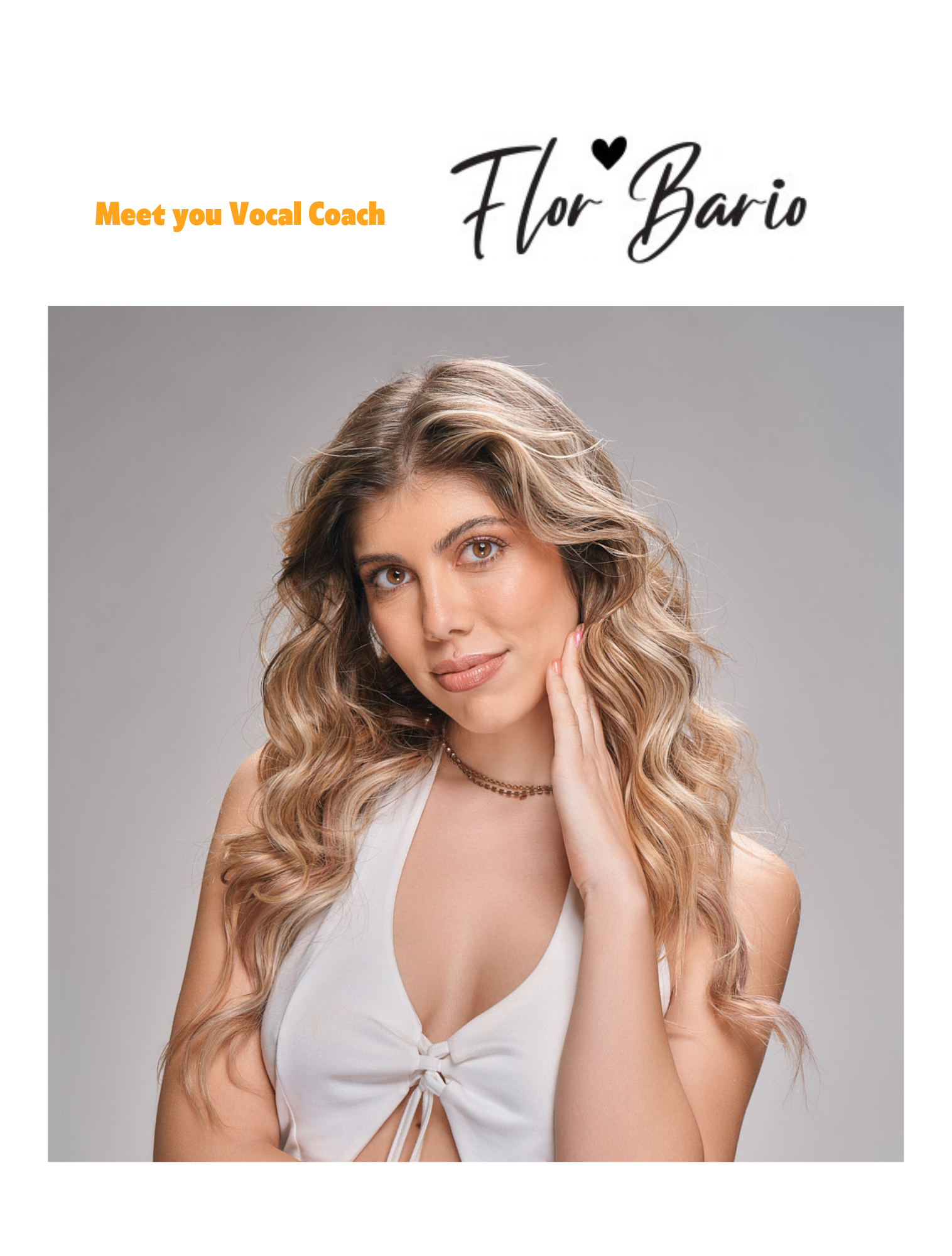
As a certified voice coach, I've worked with hundreds of singers who struggle with breath control. The truth is, proper breathing is the foundation of great singing. Without it, even the most talented vocalists can't reach their full potential.
In this comprehensive guide, I'll share 10 breathing techniques that have helped my students improve their vocal range, power, and endurance. These exercises are suitable for singers of all levels, from beginners to professionals.
Why Breathing Matters for Singers
Before we dive into the techniques, let's understand why proper breathing is so crucial:
- Vocal Power: Controlled breath support gives you the power to hit high notes and sustain long phrases
- Pitch Accuracy: Proper breath control helps maintain consistent pitch throughout your range
- Vocal Health: Correct breathing reduces strain on your vocal cords, preventing fatigue and injury
- Performance Confidence: When you know your breath is under control, you perform with more confidence
The 10 Essential Breathing Techniques
1. Diaphragmatic Breathing (Belly Breathing)
This is the foundation of all vocal breathing. Instead of breathing into your chest, you breathe into your belly, engaging your diaphragm.
How to do it:
- Lie down or sit comfortably with your back straight
- Place one hand on your chest and one on your belly
- Inhale slowly through your nose for 4 counts, feeling your belly rise
- Your chest should remain relatively still
- Exhale slowly through your mouth for 6 counts
- Repeat 10 times, gradually increasing the count
Practice tip: Do this exercise daily for 5 minutes. You should feel your belly expand outward, not upward.
2. The 4-7-8 Breathing Technique
This technique, popularized by Dr. Andrew Weil, is excellent for calming nerves before performances and improving breath control.
How to do it:
- Inhale through your nose for 4 counts
- Hold your breath for 7 counts
- Exhale through your mouth for 8 counts
- Repeat 4-8 times
Best for: Pre-performance anxiety and building breath capacity.
3. Rib Expansion Exercise
This exercise helps you access your full lung capacity by expanding your ribcage.
How to do it:
- Stand with your hands on your lower ribs
- Inhale deeply, focusing on expanding your ribs sideways
- Feel your ribs push your hands outward
- Hold for 2-3 seconds
- Exhale slowly, feeling your ribs return
- Repeat 10 times
4. The Hissing Exercise
This classic vocal exercise builds breath control and teaches you to manage your air flow.
How to do it:
- Take a deep diaphragmatic breath
- Exhale with a steady "ssss" sound (like a snake)
- Try to maintain the same volume and intensity for as long as possible
- Aim for 20-30 seconds initially, gradually increasing
- Repeat 5 times
Challenge yourself: Try to hiss for 45-60 seconds with consistent airflow.
5. Lip Trills (Bubble Lips)
Lip trills are excellent for warming up and practicing breath control simultaneously.
How to do it:
- Take a deep breath
- Exhale while making your lips vibrate (like a motorboat sound)
- Start on a comfortable pitch and slide up and down your range
- Maintain steady breath flow throughout
- Practice for 2-3 minutes
6. The Straw Exercise
Using a drinking straw helps you learn to control your breath pressure and flow.
How to do it:
- Take a regular drinking straw
- Inhale deeply
- Exhale through the straw, making a steady "oo" sound
- Try to maintain consistent pressure and sound
- Practice scales or simple melodies through the straw
- Do this for 3-5 minutes
Pro tip: This exercise is especially helpful for singers dealing with dry air or pollution in their environment.
7. Breath Hold and Release
This technique builds your breath capacity and control.
How to do it:
- Inhale deeply for 4 counts
- Hold your breath for 4 counts
- Exhale slowly for 8 counts
- Gradually increase the hold time to 6, then 8 counts
- Repeat 5-8 times
8. The Panting Exercise
This exercise helps activate your diaphragm quickly, which is useful for fast-paced songs.
How to do it:
- Stand with your hands on your belly
- Pant quickly like a dog, using only your diaphragm
- Your shoulders and chest should remain still
- Do this for 30 seconds
- Rest for 30 seconds
- Repeat 3 times
Warning: If you feel lightheaded, stop immediately and breathe normally.
9. The Counting Exercise
This simple exercise helps you measure and improve your breath capacity.
How to do it:
- Take a deep diaphragmatic breath
- Exhale while counting out loud: "one, two, three..."
- Count as high as you can on one breath
- Record your number and try to beat it each week
- Repeat 3-5 times
Goal: Aim to count to 30-40 on one breath.
10. The Sigh Exercise
This natural exercise helps you release tension and practice smooth breath release.
How to do it:
- Take a deep breath
- Release it with a natural, relaxed sigh
- Start on a high note and slide down
- Feel the tension release from your body
- Repeat 5-10 times
Best for: Releasing tension before performances and warming up.
Creating Your Daily Breathing Routine
Now that you know these techniques, here's how to incorporate them into your daily practice:
- Morning (5 minutes): Diaphragmatic breathing + 4-7-8 technique
- Before practice (10 minutes): Rib expansion + lip trills + straw exercise
- Evening (5 minutes): Sigh exercise + breath hold and release
Common Mistakes to Avoid
- Raising your shoulders: Keep them relaxed and down
- Breathing too quickly: Take your time with each breath
- Holding tension: Release tension in your neck, jaw, and shoulders
- Skipping warm-ups: Always warm up your breathing before singing
When to Seek Professional Help
If you're struggling with breathing techniques or experiencing vocal strain, consider working with a certified voice coach. As an IVA-certified instructor, I help singers develop proper breathing habits that support their unique voice and goals.
"Proper breathing is not just a technique—it's the foundation that allows your voice to soar. Master your breath, and you'll master your voice." - Flor Bario